
PRINTING & FINISHING
Custom Packaging Printing & Finishing for Stronger Shelf Presentation
ZAPAC provides custom packaging printing and finishing support for flexible packaging projects, including digital printing, gravure printing, and a range of surface and specialty effects.
The right production method should be selected together with order quantity, artwork stability, material structure, SKU count, color requirements, and finishing needs.
Compare Printing Methods→ Request a Printing Recommendation→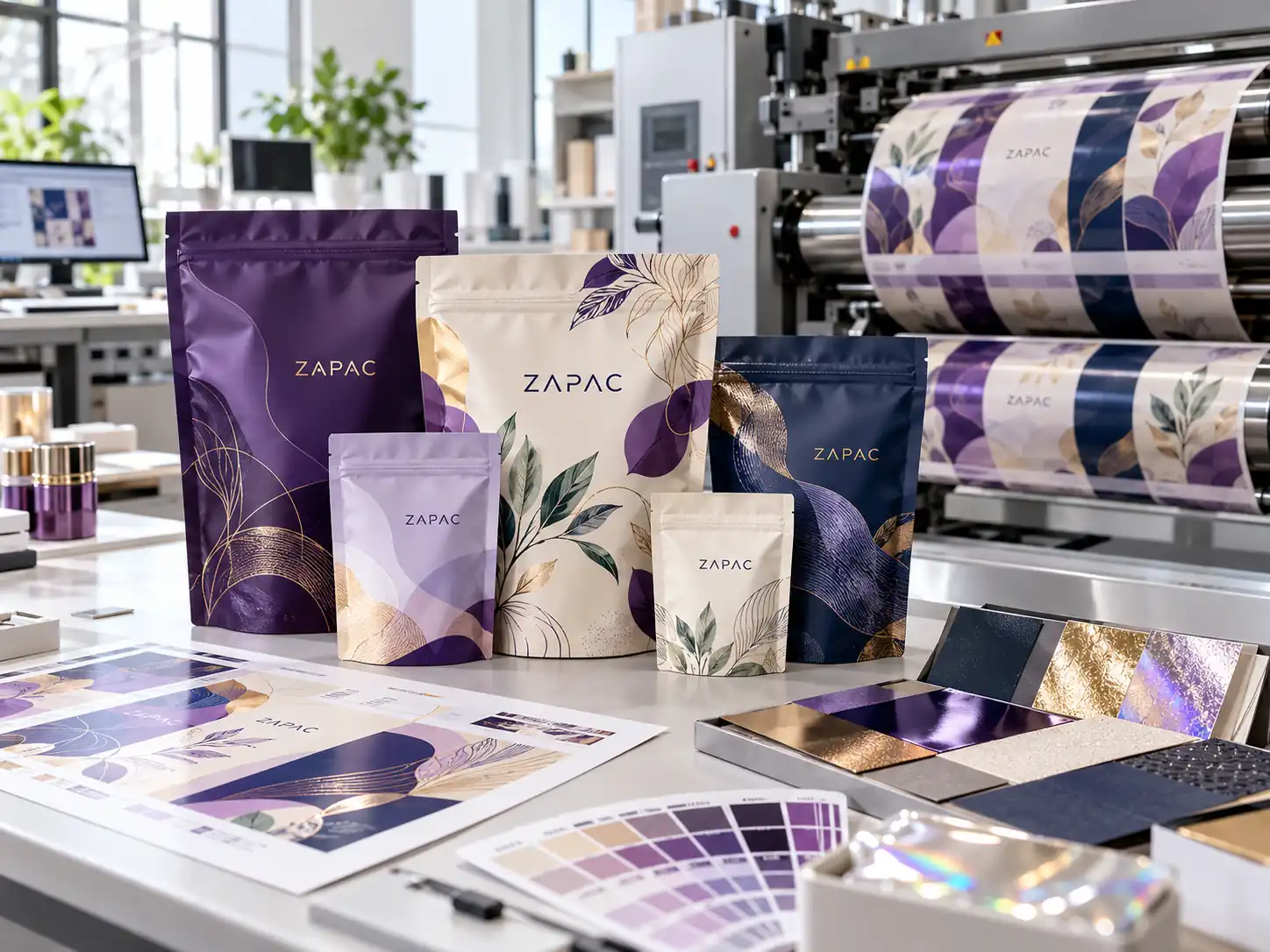
Digital Printing vs Gravure Printing
Different printing methods suit different project stages. The right choice depends on order quantity, artwork stability, SKU count, material structure, finishing requirements, and expected reorder frequency.
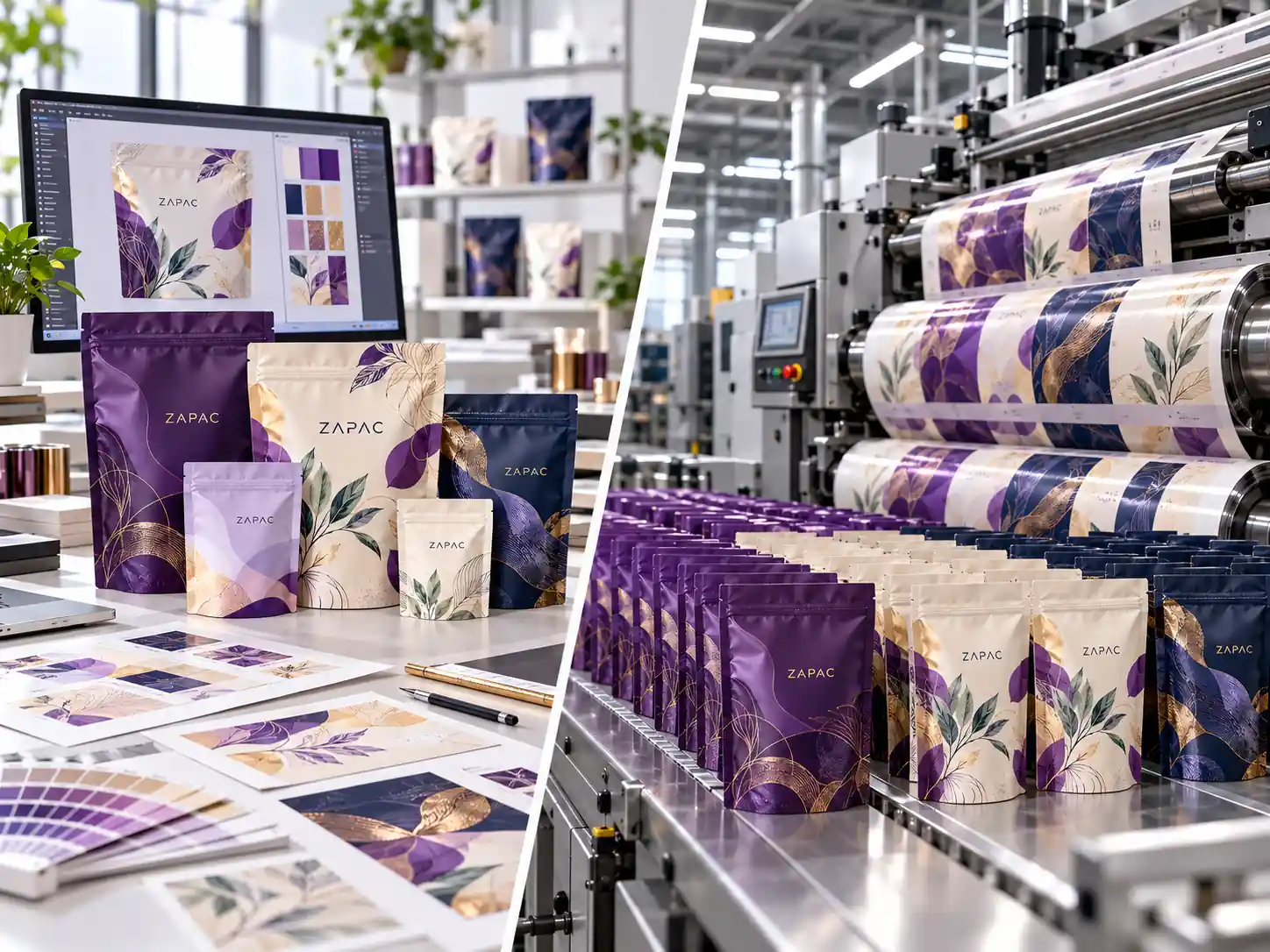
Digital Printing
BEST FOR FLEXIBILITY
• Product launches and new SKUs
• Smaller production runs
• Multiple artwork versions
• Faster testing and iteration
• No plate cost for suitable projects
Gravure Printing
BEST FOR SCALE
• Repeat orders and proven SKUs
• Larger production volumes
• Stable artwork
• Long-run color consistency
• Scale-up production planning
The recommended printing route should be reviewed together with order volume, artwork readiness, material structure, finishing requirements, and expected reorder frequency.
Request a Material Recommendation→How to Choose the Right Printing Method
Order Quantity
Production volume can affect which printing method is more practical and cost-efficient.
Artwork Stability
Stable artwork is more suitable for longer repeat production, while changing designs may benefit from greater flexibility.
Number of SKUs
Projects with multiple designs or frequent artwork changes may require different production planning.
Material Structure
The selected film or laminate structure can affect print compatibility, color appearance, and finishing options.
Reorder Planning
Future order frequency and expected scale should be considered before choosing a long-term printing route.
Packaging Printing & Finishing Options
Finishing changes how the package looks and feels. The right option should be reviewed together with the material structure, printing method, artwork, and desired shelf appearance.

Matte Finish
Creates a low-glare surface with a clean, modern appearance and a softer visual feel.

Gloss Finish
Provides a brighter reflective surface that can increase color vibrancy and visual contrast.
Soft-Touch Matte
Adds a smooth, premium tactile feel while maintaining a refined matte appearance.

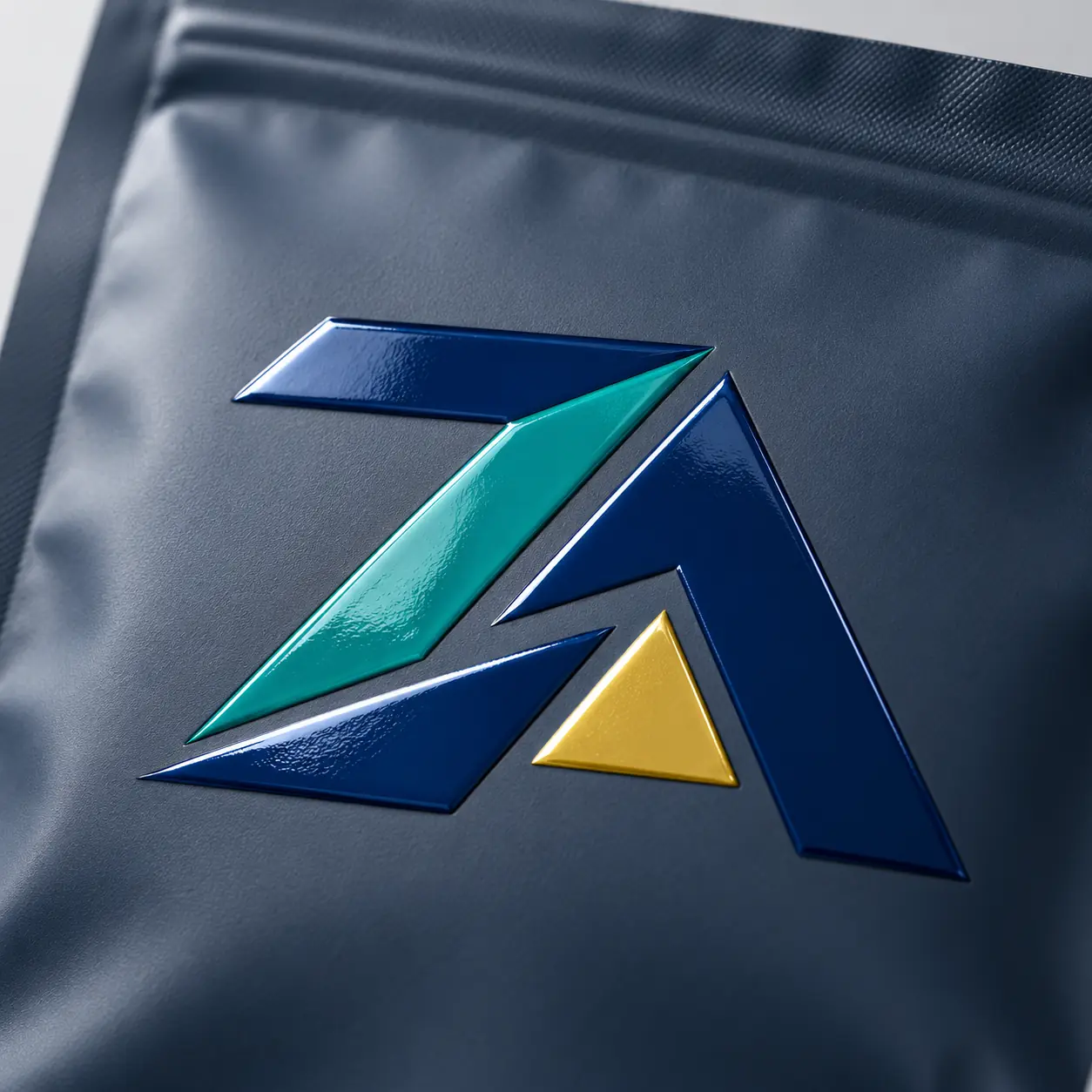
Embossed Packaging Effect
Raised logo and surface details create a more tactile, premium packaging appearance.
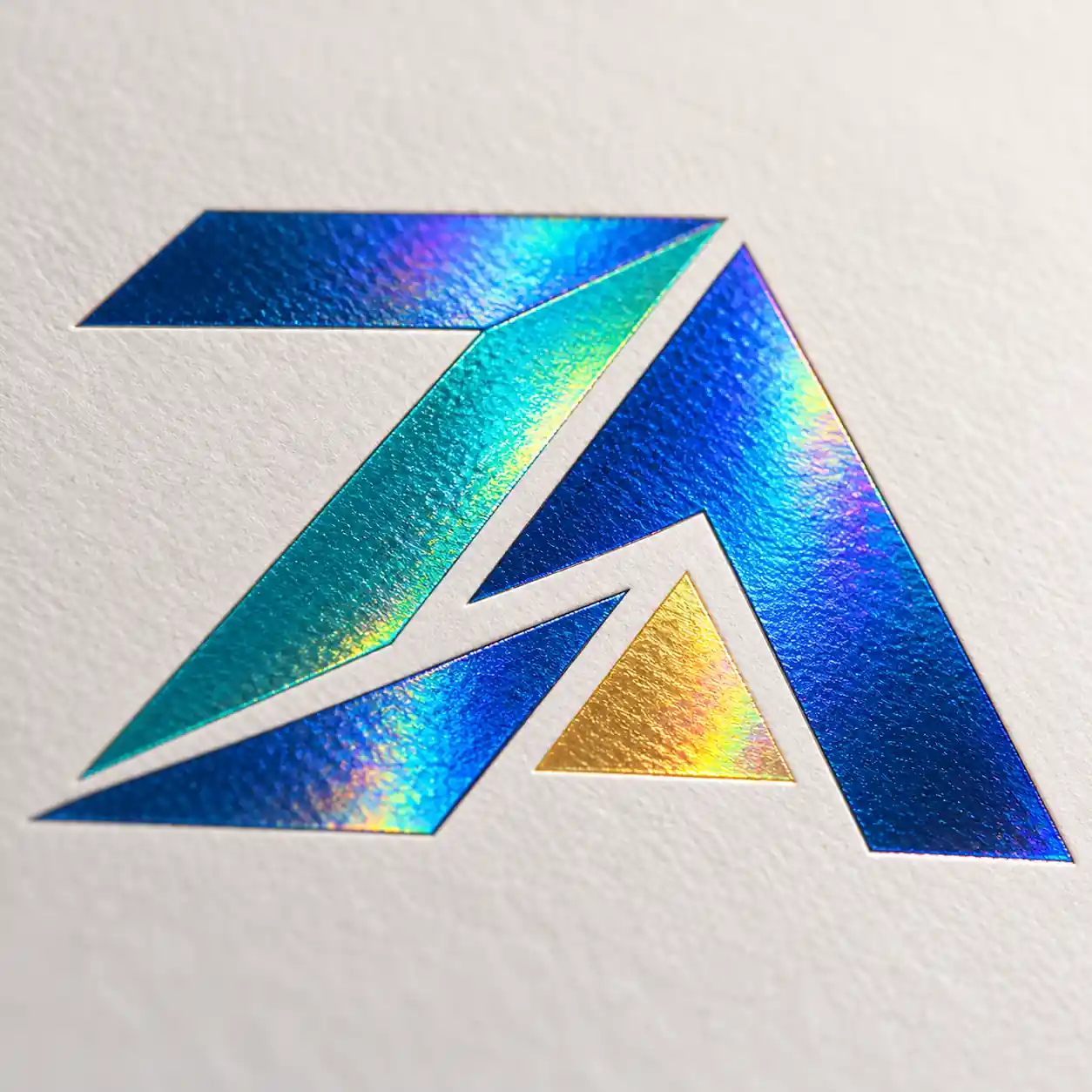
Holographic Effects
Creates reflective rainbow-like visual effects for packaging that needs stronger shelf impact.

Metallic Effects
Adds metallic appearance or reflective details to selected design areas or material surfaces.
Special Effects & Premium Finishes
Premium finishing can add depth, contrast, texture, and stronger visual impact to custom packaging. The final effect should be reviewed together with material structure, artwork, printing method, and production requirements.
Embossed Details
Raised details can add texture and depth to selected logos, patterns, or design elements.
Partial UV / High-Gloss Highlights
Selected areas can be highlighted with localized gloss contrast against a matte or soft-touch surface.
Holographic Film Effects
Reflective rainbow-like effects can create stronger visual impact for premium or promotional packaging.
Metallic Foil Accents
Metallic gold, silver, or other reflective accents can be used to emphasize logos and key design details.
Texture & Specialty Surfaces
Special tactile or visual textures can be reviewed for projects that require a more distinctive finish.
Artwork & Color Preparation
Accurate artwork preparation helps reduce production changes and improves print consistency. Key design, color, and technical details should be reviewed before final production.
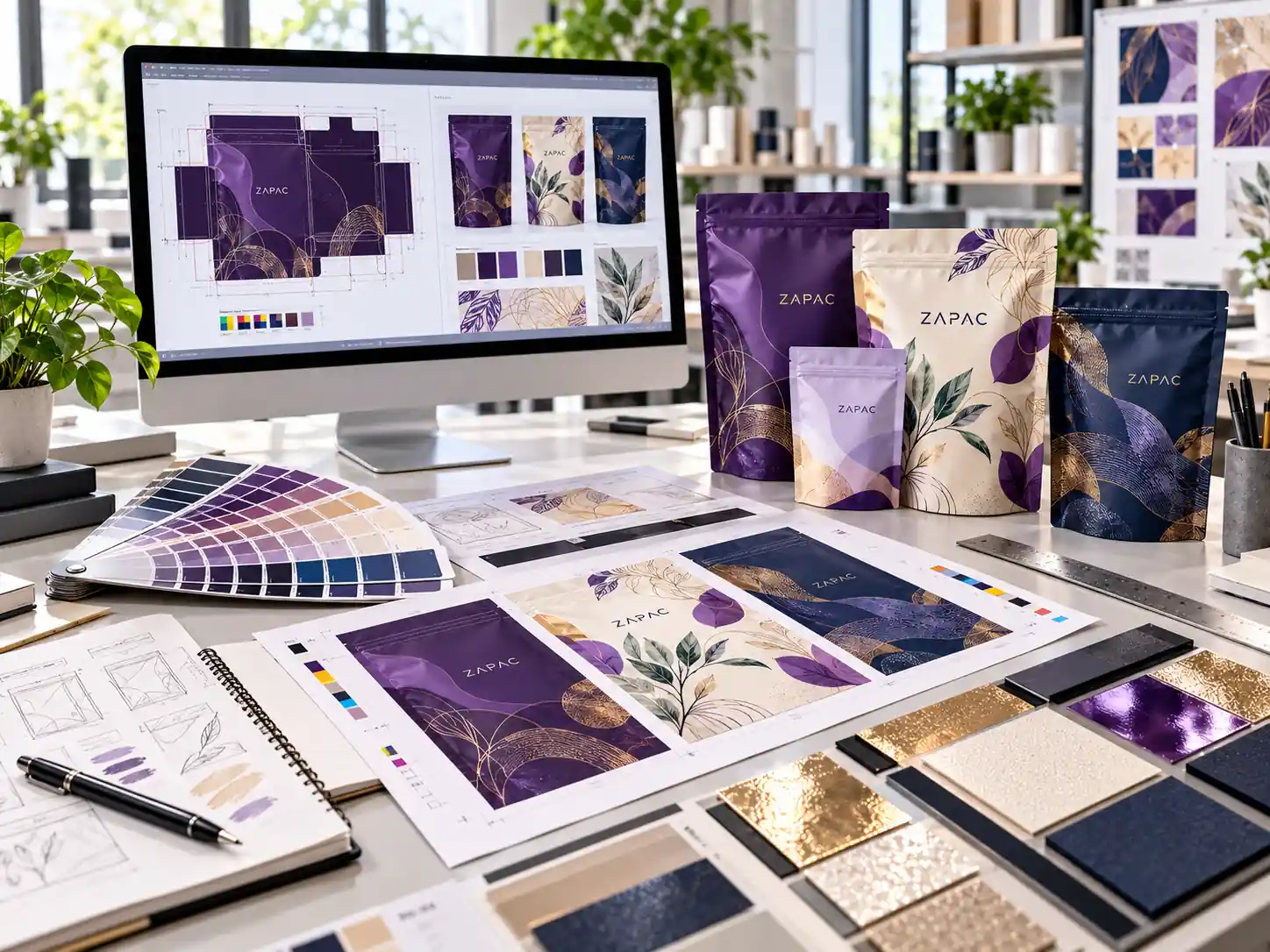
Bleed & Safe Area
Keep important text, logos, barcodes, and design elements away from cut, seal, zipper, and edge areas. Allow sufficient bleed for production tolerance.
Color Mode & References
Provide suitable color references, brand color targets, or approved samples when color consistency is important.
Barcode & Small Text
Small text, fine lines, QR codes, and barcodes should be reviewed for size, contrast, and print readability.
SKU Version Control
For multi-SKU projects, confirm artwork names, flavors, product information, barcodes, and version differences before production.
Common Printing Mistakes to Avoid
Printing problems often start before production. Reviewing artwork, color expectations, material structure, and order planning early can help reduce unnecessary revisions and inconsistencies.
Choosing by Price Alone
The lowest-cost printing route may not be the best fit for artwork stability, SKU count, finish requirements, or future repeat orders.
Artwork Too Close to Functional Areas
Important text, logos, barcodes, and design elements should stay clear of cut lines, seal areas, zippers, and other functional zones.
Color Expectations Without References
Brand colors and critical visual details are easier to review when approved color references, physical samples, or clear targets are provided.
Scaling Before Artwork Is Stable
Moving into larger production too early can create avoidable cost if artwork, claims, barcodes, colors, or packaging specifications still need changes.
Printing RFQ Information Checklist
Clear artwork and production details help us review the most suitable printing and finishing direction for your project.
Artwork & Design
• Artwork status
• Number of SKUs
• Color requirements
• Brand color references
• Finish requirements
• Reference samples
Production Details
• Order quantity
• Pouch format
• Material structure
• Target size
• Launch timing
• Expected reorder volume
If some details are not yet confirmed, share what you already know and we can review the remaining specifications together.
Request a Printing Recommendation→Printing & Finishing FAQ
Find answers to common questions about printing methods, artwork preparation, color control, and finishing options for flexible packaging.
What is the difference between digital and gravure printing?
Digital printing offers greater flexibility for smaller runs, multiple SKUs, and changing artwork, while gravure printing is generally more suitable for larger repeat orders and stable designs.
Which printing method is better for smaller orders?
Digital printing may be more practical for smaller quantities, product launches, multiple artwork versions, and projects that require greater flexibility.
Can multiple SKUs be printed in one project?
Yes. Multi-SKU projects can be reviewed based on artwork count, quantity split, printing method, material structure, and production planning.
What finishing options are available?
Finishing options may include matte, gloss, soft-touch, embossed details, partial UV, holographic effects, metallic accents, and other specialty treatments depending on the material and printing method.
Can you match brand colors?
Color matching can be reviewed using approved references, physical samples, color targets, and artwork files. Final results may also depend on material, ink, finish, and printing conditions.
What artwork files are required?
Production artwork should include the correct dieline, bleed, safe areas, fonts or outlined text, linked images, color information, and confirmed SKU details.
Need Help Choosing the Right Printing & Finishing Direction?
Share your artwork, order quantity, pouch format, material structure, and finishing requirements. We’ll help review the most practical printing and production route for your project.
Request a Printing Recommendation→About ZAPAC
Custom flexible packaging manufacturer supporting pouches, printed rollstock, materials, printing, finishing, and project coordination.
© 2026 ZAPAC STUDIOS LLC. All rights reserved.